
Food and beverage trends move fast. A single product launch, menu feature, or viral moment can push an ingredient into the spotlight almost overnight. Demand spikes, formulations follow, and procurement teams scramble to secure supply.
Trends move quickly. Agriculture does not.
That disconnect between market demand and agricultural reality is one of the biggest challenges facing today’s ingredient supply chain. It is also why trendy ingredients often move from exciting to unpredictable in a very short amount of time.
The Speed of Modern Food Trends

Ube-filled pastries are one example of how visually distinctive ingredients can surge in popularity almost overnight, creating sudden demand across the supply chain.
Global exposure to new cuisines, social media, and faster product development cycles have changed how ingredients gain traction. What once took years to move into the mainstream can now happen within a single season.
Consumers are more curious than ever. Chefs and product developers are experimenting more freely. Brands are under constant pressure to be first or risk being late. That pace creates opportunity, but it also creates strain across the supply chain.
For manufacturers, trend-driven demand can justify new launches and line extensions. At the same time, it can expose weaknesses in sourcing plans if supply realities are not fully understood early on.
Crops Can’t Scale Overnight

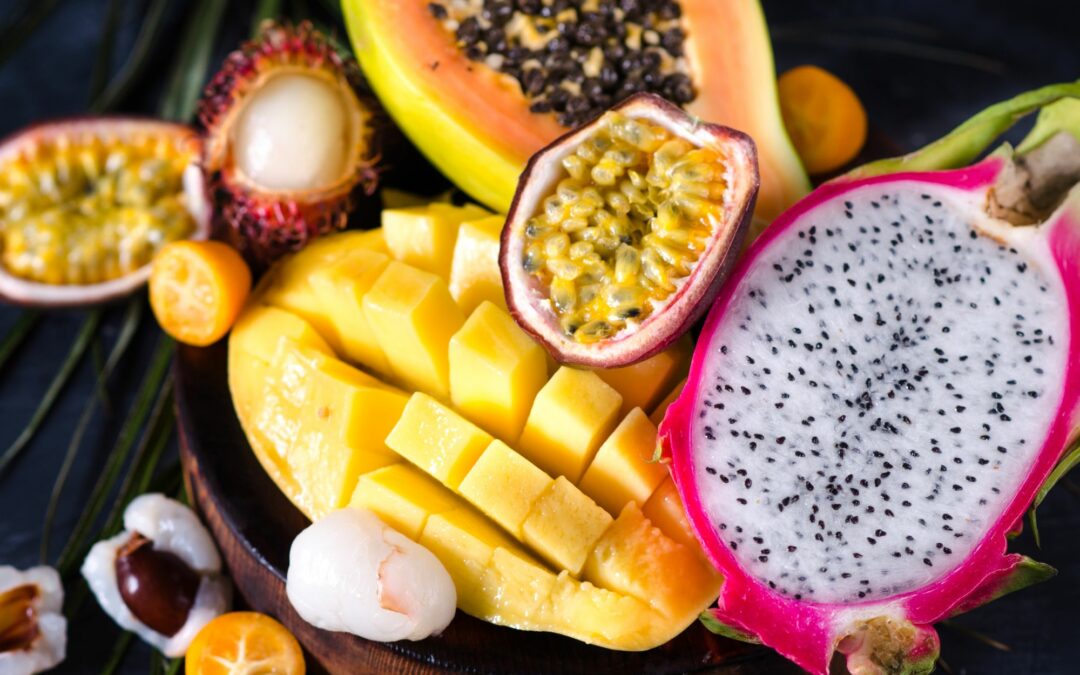
Freshly harvested fruit reflects the seasonal and labor-dependent realities that limit how quickly agricultural supply can respond to sudden demand shifts.
Unlike manufactured inputs, fruit and vegetable ingredients are tied to agricultural timelines that cannot be compressed. Production depends on several fixed factors:
-
Growing seasons that follow the calendar, not demand
-
Acreage decisions made well in advance
-
Weather conditions that are impossible to control
-
Labor availability during harvest windows
Once a crop is planted, its volume is largely locked in for that season. Increasing supply usually requires additional planting cycles, expanded acreage, or new processing capacity. All of these take time.
When demand rises suddenly, there is limited room to adjust in the short term.
When Demand Outpaces Supply: Ingredient Supply Chain Volatility

When demand accelerates faster than supply, availability tightens across the value chain.
When interest in an ingredient grows faster than available crop volume, the effects tend to show up quickly:
-
Lead times stretch as supply tightens
-
Pricing becomes less stable
-
Allocation becomes more common
-
Consistency between lots becomes harder to maintain
These shifts create real challenges. Procurement teams may struggle to secure reliable volumes. R&D teams may be asked to reformulate on short notice. Production schedules can become harder to lock in.
What starts as a trend opportunity can quickly turn into a planning problem.
Why This Matters for Manufacturers

Ingredient supply volatility can directly impact manufacturing efficiency, product consistency, and production planning.
Supply volatility impacts more than ingredient cost. It can affect nearly every part of a product lifecycle, including:
-
R&D timelines and commercialization plans
-
Finished product consistency
-
Long-term cost forecasting
-
Commitments made to customers and retail partners
When these risks are not anticipated, teams are often forced into reactive decisions. Spot buying, rushed changes, and last-minute sourcing adjustments can all introduce unnecessary uncertainty.
A clearer understanding of supply dynamics allows manufacturers to plan with more confidence and fewer surprises.
Bridging the Gap Between Trends and Agriculture
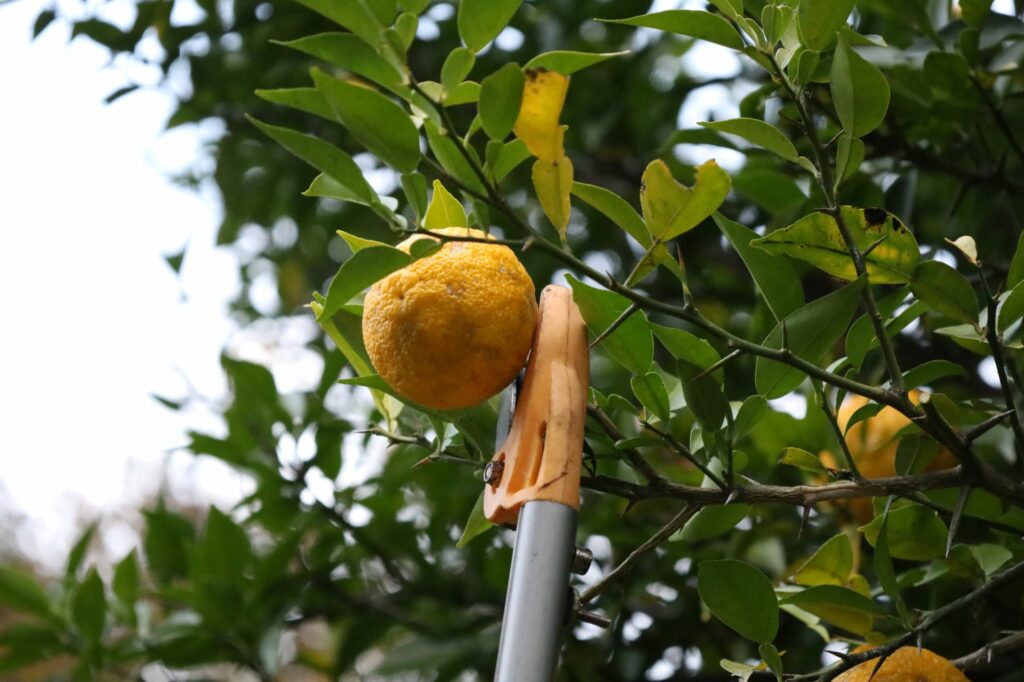
Yuzu citrus must be harvested at peak maturity, reinforcing how agricultural timelines limit how quickly supply can respond to rising demand.
Managing trend-driven demand requires more than quick purchasing decisions. It calls for a thoughtful sourcing strategy that accounts for agricultural constraints from the start.
That often means:
-
Starting sourcing conversations early in product development
-
Staying flexible on formats and specifications where possible
-
Diversifying origins to reduce dependency on a single source
-
Building long-term relationships with suppliers who understand the category
At Encore Fruit, we work closely with processors and customers to align demand expectations with agricultural realities. The goal is not to slow innovation, but to support it with better planning and clearer visibility into supply.
Planning Ahead in a Trend-Driven Market

Planning ahead allows manufacturers to align ingredient supply, inventory, and logistics before demand peaks.
Trendy ingredients are not going away. Consumer interest, global inspiration, and rapid innovation will continue to shape the food and beverage landscape.
The key is not avoiding trends. It is recognizing when demand may move faster than supply and preparing for that reality early.
Manufacturers that understand crop cycles, lead times, and origin constraints are better positioned to make informed decisions. With the right supplier partnerships in place, it is possible to move quickly without sacrificing stability or consistency.
In a market driven by trends, a grounded supply chain strategy makes all the difference.