
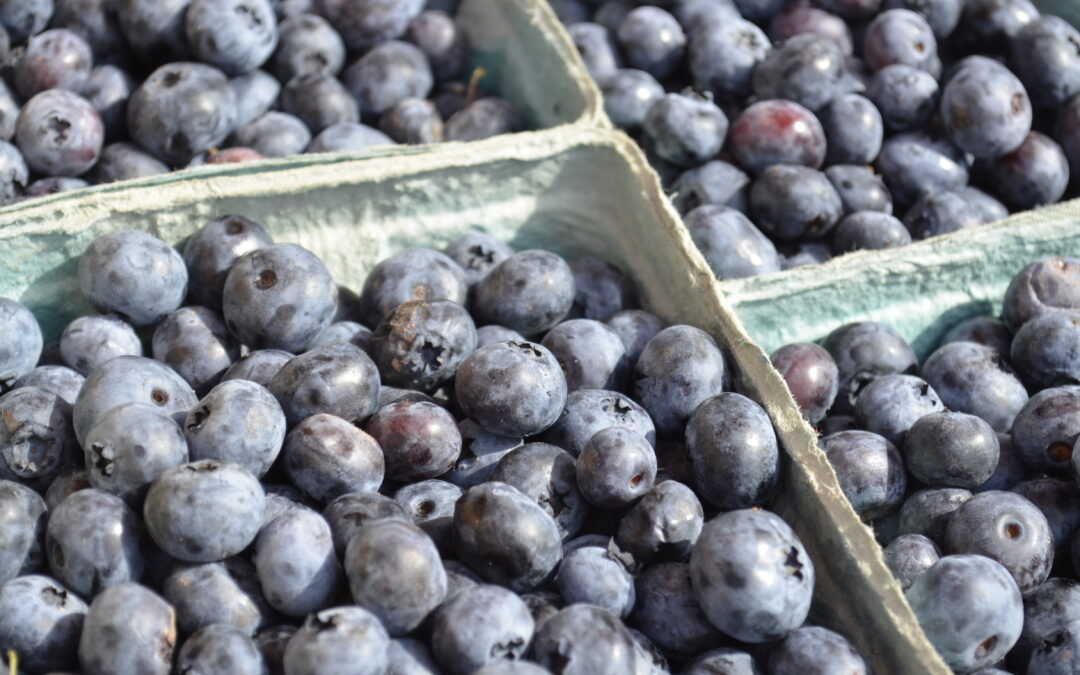
A tight fruit crop has a way of turning a routine ingredient purchase into a much bigger conversation. One week, your usual product is available on a familiar timeline. The next, a processor is still assessing yields, the packout is lower than expected, or the volume you had in mind has already been committed.
Fruit is an agricultural ingredient, after all. Weather can affect both quantity and quality, and the fresh, frozen, and processing markets may all compete for the same supply. Even a decent harvest does not guarantee that the right fruit will be available for every puree, juice, or concentrate specification.
If you buy fruit ingredients for food or beverage production, a little preparation gives you more room to maneuver. Here are eight practical ways to plan around a tight fruit crop before your production schedule makes every decision urgent.
Share a forecast before it is perfect
Your supplier does not need a number etched in stone to start planning. An estimate of annual volume, monthly usage, expected order sizes, and delivery windows is useful, even if it comes with a range.
Be especially clear about product launches, seasonal promotions, and periods when demand might jump. If you normally buy one truckload at a time but anticipate needing three in a short window, that detail matters. Processors and importers make decisions well before the fruit reaches your dock.
A forecast is not a purchase order, and availability still needs to be confirmed. It does, however, give everyone a chance to discuss realistic options while there is time to act.
Find out what is actually available
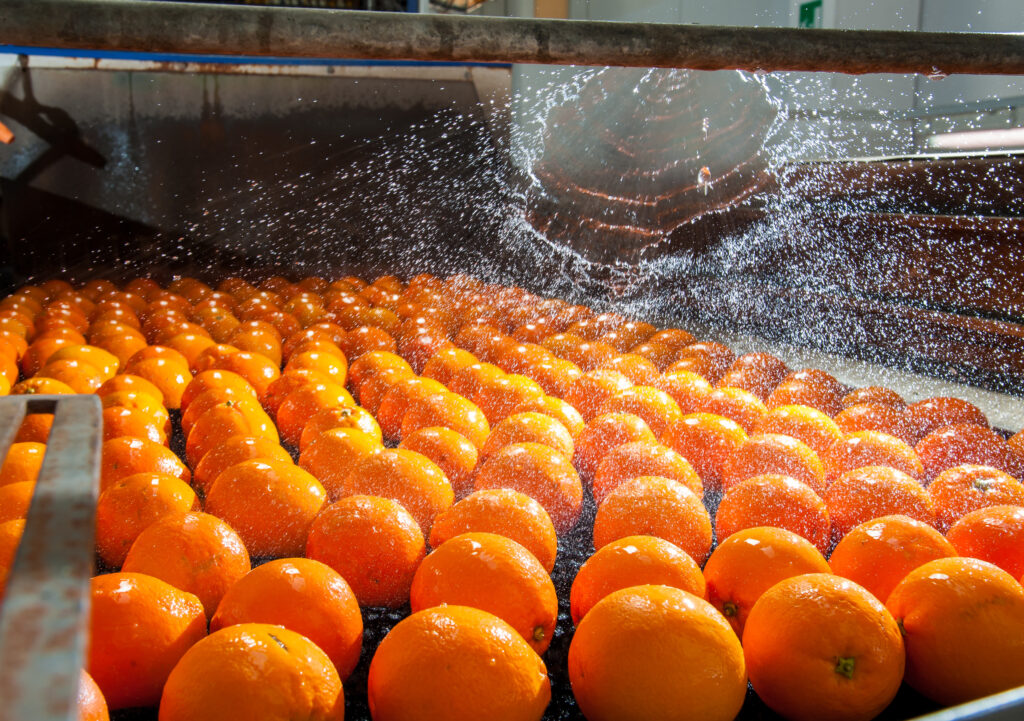
Crop size is only part of the supply picture. Processing schedules and available capacity also influence when fruit ingredients can be delivered.
“Available” can mean several different things. Product may be in a domestic warehouse, allocated for a future production run, waiting to be packed, or tied to fruit that has not yet been harvested. Those are very different supply positions.
Ask whether the quoted volume is on hand, when additional inventory is expected, and whether it is subject to crop results, production, import clearance, or transit. Also ask how much of your projected volume can be covered and for how long. A price for one pallet today does not necessarily answer the question of supply for the next six months.
Separate essential specifications from preferences
When supply is plentiful, it is easy to keep buying the same specification simply because it has always worked. A tighter crop is a good time to review which requirements are critical and which may allow some flexibility.
Bring purchasing, quality, and R&D into the discussion. Consider Brix, acidity, color, flavor profile, viscosity, microbiological limits, certifications, processing method, and ingredient statement. If your customer requires a particular origin or label claim, that belongs on the essential list too.
This is not an invitation to compromise food safety or product quality. It is a way to avoid ruling out a suitable lot over a preference that does not affect the finished product. Sometimes the difference between “no supply” and “let’s review a sample” is one line on a specification sheet.
Explore other origins early

Exploring alternative growing regions may open up supply options, provided the ingredient meets your application and approval requirements.
Depending on the fruit, different growing regions may offer different harvest windows and supply options. Another origin can sometimes help bridge a gap, but it needs a proper review before it becomes part of the plan.
Check customer approvals, labeling implications, documentation, lead times, and landed cost. For imported fruit ingredients, confirm whether product is already in the United States or still needs to be produced and shipped. “Arriving soon” deserves a follow-up question or two.
Origin is one possible lever, not an automatic substitute. The earlier you evaluate it, the more useful it can be.
Consider a different format or pack size

Pack size and handling requirements matter when evaluating alternative fruit ingredient options.
Your usual puree may be scarce while a puree concentrate is available, or a juice concentrate might be an option for an application that does not need pulp or body. These products are not interchangeable pound for pound. Concentration, flavor, texture, and usage rate all need to be evaluated in the actual formulation.
Packaging also matters. Fruit ingredients for manufacturers may be offered in cartons, pails, drums, or totes, with frozen, refrigerated, or aseptic handling requirements. A different pack size can affect batching, storage, thawing, labor, and waste. Check that your plant can receive and use the alternative before deciding it solves the problem.
Leave time for samples and approvals
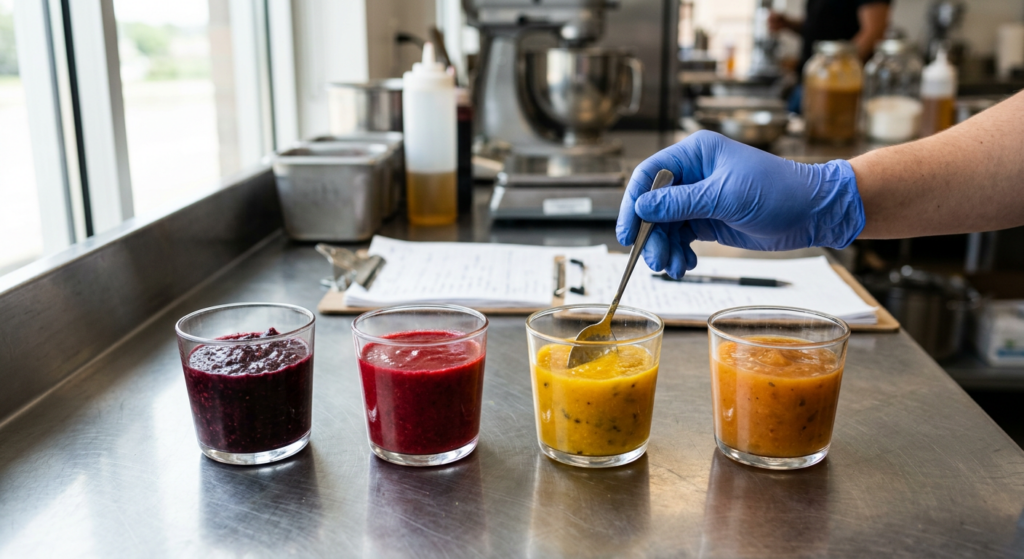
Allow time for samples, application trials, and approvals before an alternative ingredient is needed for production.
Finding an available alternative is only the first step. Your team may need a specification, COA, sample, application trial, quality review, customer approval, or all of the above. That process rarely moves faster just because the production date is approaching.
If an ingredient is important to a recurring product, it can be helpful to qualify a backup source or format before a shortage occurs. You may never need to use it. That is a perfectly good outcome for a backup plan.
Compare the full supply picture, not just the price
Price matters, especially when a crop is tight. But a lower unit price may be less attractive after freight, storage, handling, usage rate, and lead time are considered. The least expensive option on paper cannot do much for a line that has no ingredient to run.
Ask for the quoted quantity, minimum order, packaging, shipping point, expected delivery timing, and remaining shelf life. If you are considering a concentrate in place of a single-strength ingredient, compare the cost in the finished application rather than price per pound alone.
Keep updating the plan
Crop expectations change as fruit is harvested and processed. Your needs can change too. Let your supplier know when volumes, production dates, or specifications shift, and ask for updates as the supply picture becomes clearer.
For a critical ingredient, decide in advance what would trigger a new conversation: a delayed shipment, a change in expected volume, a shorter lead-time window, or a lot that falls outside your preferred range. A quick check-in now is usually easier than a scramble later.
A tight fruit crop calls for earlier conversations
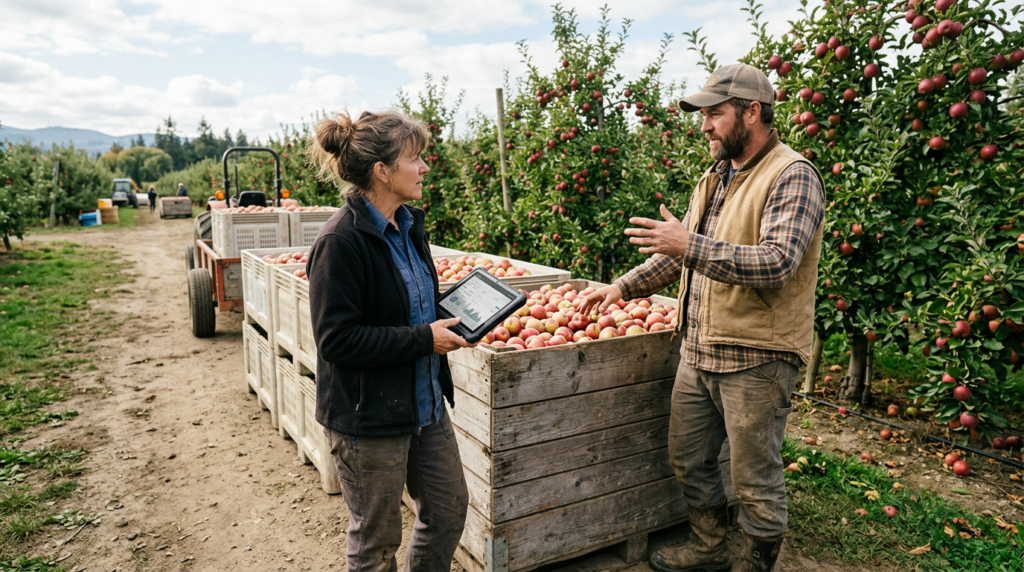
Earlier conversations give buyers and suppliers more time to assess availability and build a workable supply plan.
There is no magic workaround for a tight fruit crop. There is, however, a better way to navigate one: share your forecast, understand the real supply position, know where your specifications have flexibility, and give technical alternatives enough time for proper review.
Encore Fruit works with food and beverage manufacturers to source fruit and vegetable ingredients across a range of formats and origins. If you are planning upcoming requirements for puree, juice, or concentrate, contact our team with your application, specifications, approximate volume, and target delivery dates. We can help you look at the options available for your program!