
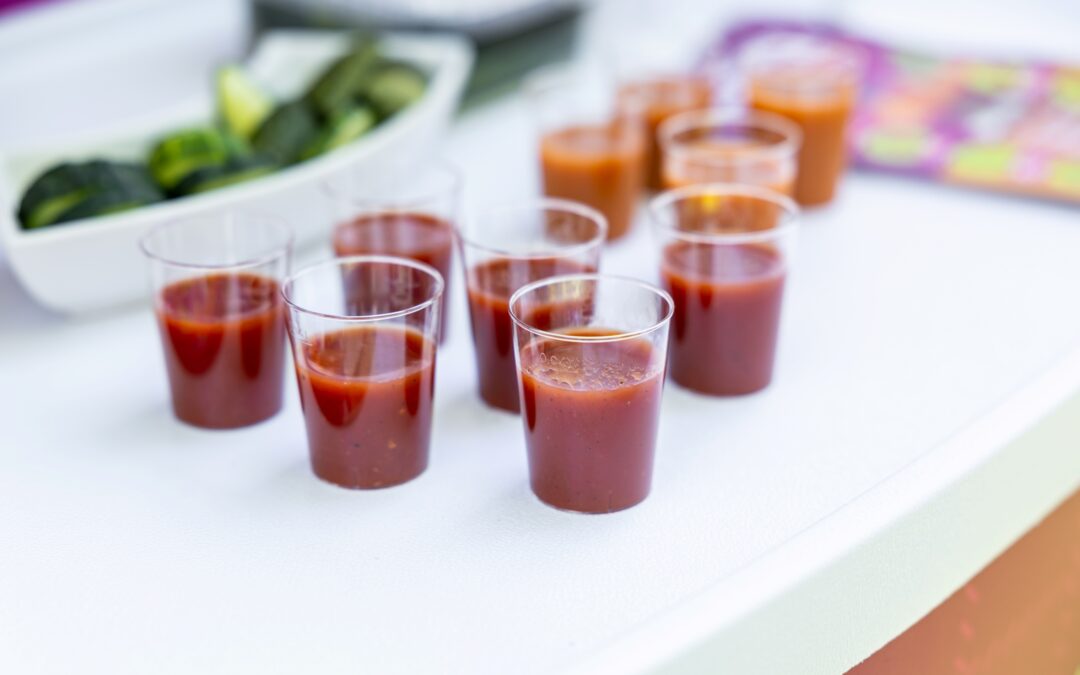
A request for “mango puree” may sound straightforward, but there can be dozens of products that fit that general description.
Is the customer looking for single-strength or concentrated puree? Conventional or organic? Aseptic or frozen? Do they need one pail for an initial trial, several drums for a production run, or a full truckload for an ongoing program?
These answers can affect which products are suitable, where they can be sourced, how they are packaged, how quickly they can arrive, and what they ultimately cost.
Customers do not need to have every detail finalized before contacting Encore. Helping customers work through those questions is part of what we do!
However, including a little additional context with a fruit ingredient request can really help us identify the right options and respond much more effectively.
Here are 10 helpful details to consider when requesting a fruit ingredient.
1. Identify the Fruit and Ingredient Format
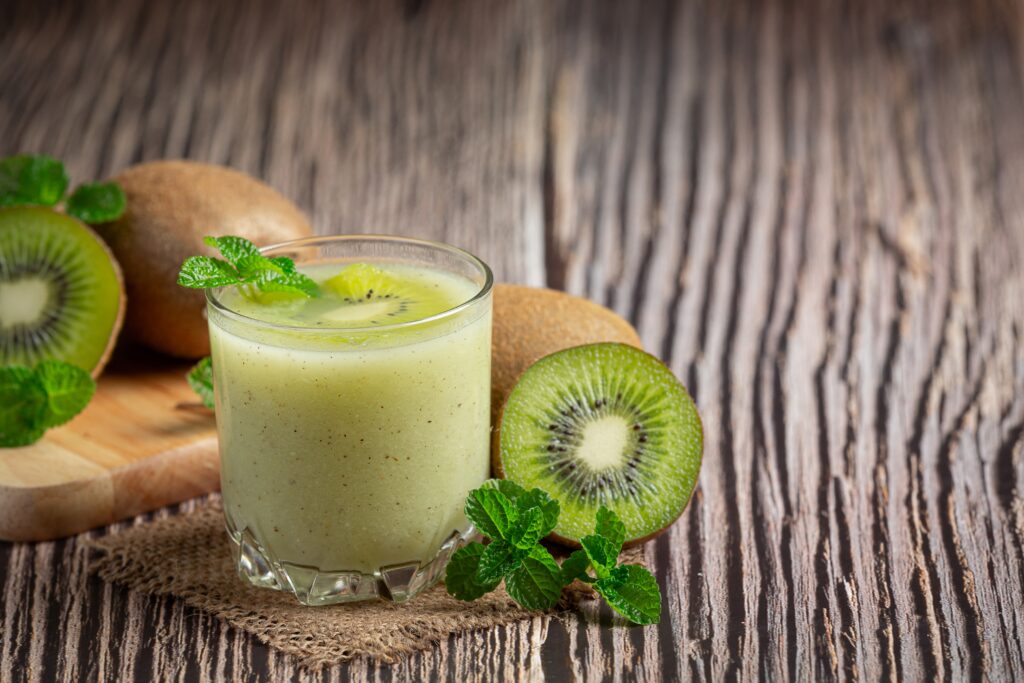
Fruit ingredients may be available as puree, juice, concentrate, IQF fruit, powder, or other formats suited to different applications.
The first step is identifying both the fruit and the preferred ingredient format.
Depending on the fruit, available formats may include:
- Puree
- Puree concentrate
- NFC juice
- Juice concentrate
- Clarified juice or concentrate
- IQF fruit
- Fruit powder
These formats are not necessarily interchangeable. A fruit puree can contribute flavor, color, body, and texture, while a clarified juice concentrate may provide sweetness and flavor without adding the same amount of pulp or viscosity.
If you are unsure which format is appropriate, let us know what you are making. We can help narrow the options based on the application, processing requirements, and desired finished-product characteristics.
2. Explain the Intended Application

The intended application can influence the ideal fruit format, flavor intensity, color, texture, and technical requirements.
Knowing how the ingredient will be used provides valuable context.
A fruit ingredient intended for a beverage may need different characteristics than one being used in a bakery filling, fruit preparation, sauce, baby food, confectionery product, or brewing application.
The application can help determine which questions need to be asked. Does the customer want visible fruit pieces? Is a smooth texture important? Will the product be filtered? Does the ingredient need to withstand heat processing? Is color a major part of the finished product’s appearance?
Even a simple explanation such as “We are developing a shelf-stable beverage” or “This will be used in a fruit filling” can help a supplier recommend a more appropriate option.
Customers should also mention any processing conditions that may influence ingredient selection, including heat treatment, filtration, fermentation, blending, or freezing.
3. Share Any Important Technical Requirements

Brix, pH, acidity, color, consistency, and other technical requirements can help determine whether an ingredient is suitable for an application.
Fruit ingredients can vary considerably in Brix, pH, acidity, color, flavor, texture, and pulp content.
If a project has an established specification, providing it at the beginning of the search can help determine whether a standard product is suitable or whether a more specialized option is needed.
Technical requirements may include:
- Minimum or target Brix
- pH or acidity range
- Color expectations
- Viscosity or consistency
- Pulp, seed, or fiber content
- Mesh or filtration requirements
- Microbiological limits
- Permitted ingredients or processing aids
Not every project begins with a finished specification. R&D teams may still be evaluating what works best in the application. In those situations, sharing the desired flavor, color, texture, or functionality can be just as helpful.
It is also important to identify which requirements are essential and where some flexibility may exist. A narrow specification can reduce the number of available sourcing options, particularly for a seasonal or specialty fruit.
4. Specify Conventional or Organic
Organic status should be addressed early in a fruit ingredient request.
If the finished product will make an organic claim, the ingredient may need to meet specific certification and documentation requirements. Availability, country of origin, packaging, minimum quantities, and pricing can differ between conventional and organic products.
Customers should also mention whether they require certification under a particular organic program or need supporting documents for their own certification review.
The same applies to other purchasing requirements, including non-GMO documentation, kosher certification, allergen statements, or other program-specific expectations.
5. Provide an Estimated Volume
Volume is one of the most important details in any ingredient request.
A supplier may have several drums available domestically but need new production for a full container. In another situation, a product may only be economical to import in larger quantities.
Helpful volume information can include:
- Quantity needed for an initial trial
- Expected size of the first commercial order
- Estimated annual usage
- Frequency of future orders
- Anticipated growth if the project is successful
An estimate is perfectly acceptable. Customers are not expected to know the exact annual demand for a product that is still in development.
However, knowing whether the opportunity is likely to require two drums per year or two truckloads per month really helps suppliers evaluate suitable products, packaging, inventory, and sourcing strategies.
It can also help Encore determine whether domestic stock, a consolidated import, or a direct supply program makes the most sense.
6. Include Preferred Packaging and Storage Conditions

Packaging, storage requirements, handling equipment, and production volume can all affect which fruit ingredient option is most practical.
Industrial fruit ingredients are available in a variety of commercial pack sizes and storage formats.
Depending on the product, options may include pails, bag-in-box cases, drums, totes, or bulk packaging. Products may be shelf-stable, refrigerated, or frozen.
The right packaging depends on the customer’s usage, storage space, handling equipment, and production process. A tote may be efficient for a high-volume operation but impractical for a facility that cannot receive or dispense from it. Drums may provide more flexibility, while pails or cases may be better suited to trials and smaller production runs.
Customers should indicate whether they require aseptic or frozen product and whether their facility has any packaging or handling limitations.
If there is no preferred pack size, sharing the amount used per production run can help identify a practical option.
7. Provide the Delivery Location
A ZIP code can make a substantial difference when evaluating a fruit ingredient request.
Freight cost and delivery timing depend on where inventory is located and where the product needs to go. An ingredient available on the East Coast may be a reasonable option for one customer but less practical for another customer located across the country.
The delivery location also helps determine whether the order can move as less-than-truckload freight, requires temperature-controlled transportation, or may be combined with other products.
For companies with multiple facilities, identifying the actual receiving location helps avoid inaccurate freight estimates and unnecessary delays later in the process.
8. Explain the Project Timeline
Is the ingredient needed for an R&D trial next month, a commercial launch later in the year, or an immediate production shortage?
The answer changes how the request should be approached.
Imported fruit ingredients may require time for production scheduling, laboratory testing, product release, international transportation, customs clearance, and domestic delivery. If product is already available in a U.S. warehouse, the timeline may be considerably shorter.
Providing a target sample date, first production date, and expected launch date allows suppliers to determine which options are realistic.
If the timing is still tentative, that is okay. Starting the conversation early gives everyone more time to evaluate availability, reserve inventory, request samples, approve documentation, and discuss alternatives if the preferred option cannot meet the schedule.
9. Mention Documentation and Compliance Requirements
Technical and regulatory documentation should be discussed before an ingredient is approved or ordered.
Depending on the customer and application, requirements may include:
- Product specification
- Certificate of analysis
- Country of origin
- Allergen statement
- Kosher or organic certification
- Non-GMO documentation
- Food safety certifications
- Nutritional information
- Pesticide or heavy metal testing
- Proposition 65 documentation
- Letters of guarantee or continuing guarantees
Some documents are standard, while others may require additional review, testing, or coordination with the processor.
If a customer has a supplier approval questionnaire or documentation checklist, providing it early can help identify potential gaps before the product reaches the final approval stage.
10. Clarify Sample Expectations
Samples are often an important part of selecting a fruit ingredient, but it helps to understand what the customer plans to evaluate.
Is the sample needed for an initial bench trial, a customer presentation, nutritional testing, pilot production, or comparison against an existing ingredient? How much material is required? Does the sample need to come from currently available inventory?
A standard sample may be sufficient for early development, but a larger quantity may be needed for a pilot run. Additional lead time may also be necessary for frozen samples, international samples, or products that are not currently stocked domestically.
Customers should provide the sample quantity, shipping address, contact information, and desired arrival date. It is also standard for a customer to provide a courier account number (normally FedEx or UPS for domestic samples, and DHL for imports), to cover sample shipment costs.
If the sample will be evaluated against a specific target, sharing information about that target can help the supplier understand what product they should send for the sample to be successful.
You Do Not Need Every Answer Before Reaching Out
You do not need every product detail finalized before reaching out. Encore can help you evaluate the available options and determine the next step.
A complete fruit ingredient request helps suppliers respond accurately, but customers should not feel that they need to solve everything before starting the conversation.
Sometimes the starting point really is, “We are developing a mango beverage and need help figuring out which ingredient to use.” That is enough to begin.
Encore Fruit Marketing works with food and beverage manufacturers to identify fruit ingredients that fit their applications, technical requirements, volumes, packaging needs, and timelines. We can help review available options, coordinate samples and documentation, and communicate with processors throughout the sourcing process.
When you are ready to discuss a project, it is helpful to share:
- Fruit and preferred format
- Intended application
- Technical requirements
- Conventional or organic status
- Trial, order, and annual volume
- Preferred packaging and storage
- Delivery ZIP code
- Project timeline
- Documentation requirements
- Sample quantity and timing
The more context we have, the more effectively we can narrow the search. If some of those details are still undecided, reach out anyway. We are always happy to talk through your project and help determine the next step!