
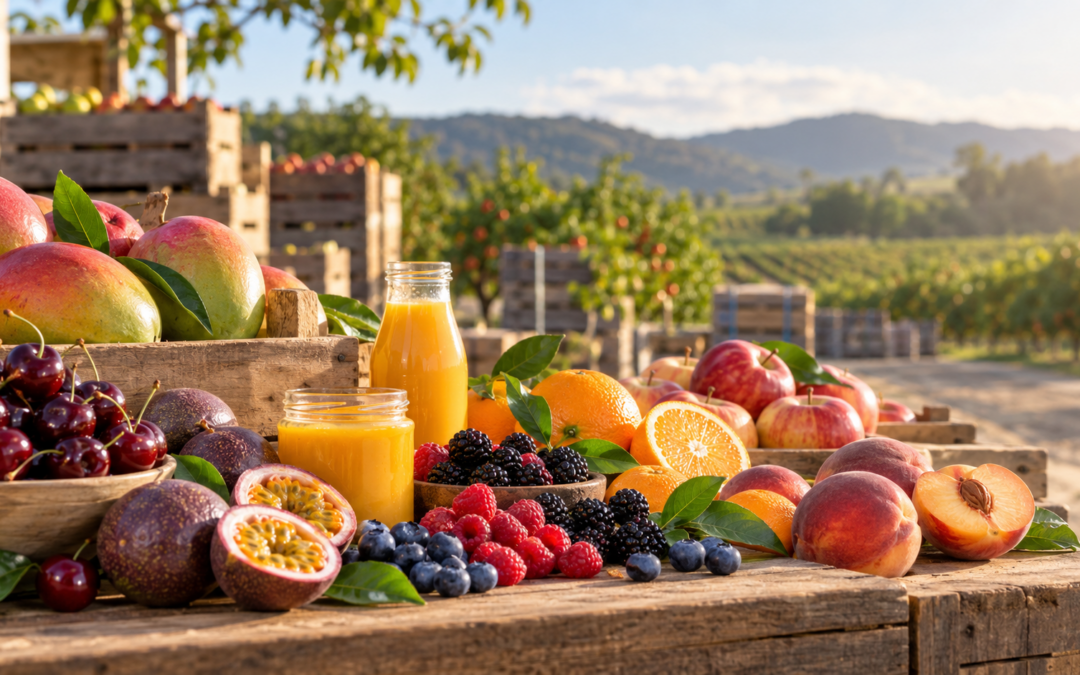
Fruit ingredient prices can look surprisingly different from one season to the next. A juice, puree, or concentrate that was readily available last year may suddenly cost more, require a longer lead time, or become difficult to source altogether.
Unlike many manufactured ingredients, fruit begins as an agricultural product. Each season brings a new crop, and every crop is affected by a different combination of weather, growing conditions, market demand, processing capacity, freight, and other variables.
Understanding what drives these changes can help food and beverage manufacturers plan ahead, evaluate quotes more effectively, and make better sourcing decisions.
Crop Size and Fruit Availability
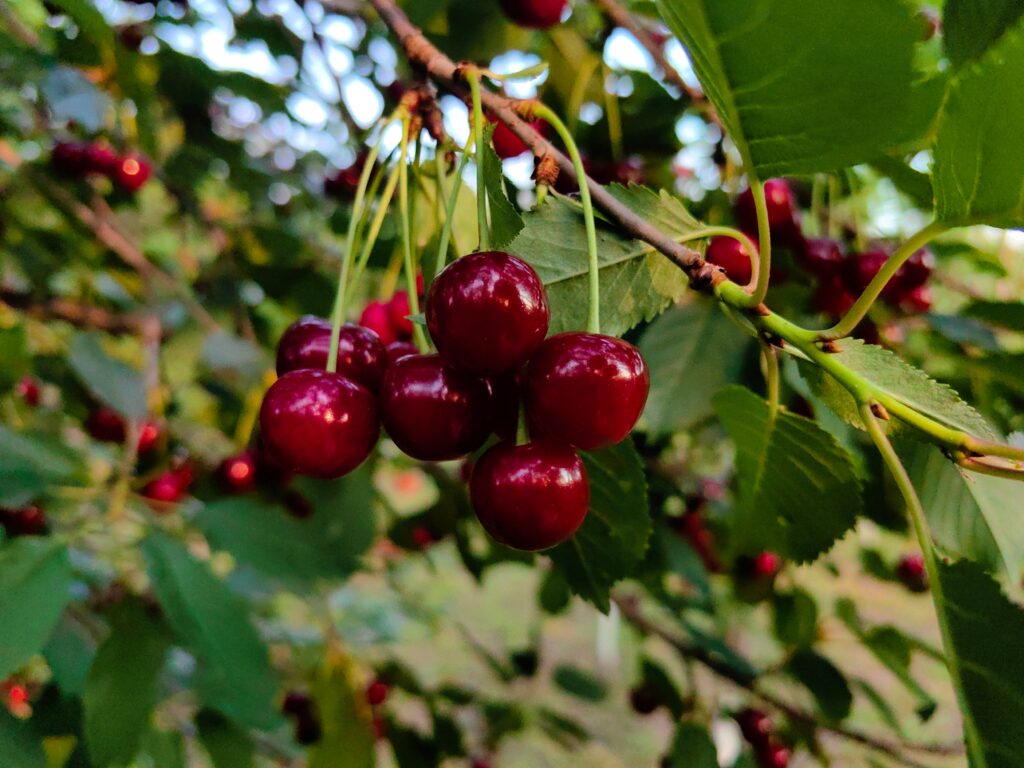
Cherries have been especially challenging this season, demonstrating how crop size and fruit availability can quickly affect pricing and supply.
The size of the crop is one of the biggest factors affecting fruit ingredient pricing.
Favorable growing conditions can produce a strong harvest with plenty of fruit available for both the fresh market and processing. When a crop is smaller than expected, processors may have to compete for a limited supply of raw material.
A reduced crop can result from:
- Frost during flowering
- Excessive heat
- Drought or insufficient irrigation
- Heavy rain or flooding
- Hurricanes and other severe weather
- Pest or disease pressure
- Poor pollination
- Alternate bearing cycles
The effects are not always limited to the region where the problem occurs. If one major producing country experiences a short crop, buyers may turn to other origins, increasing demand and pricing elsewhere!
Competition From the Fresh Market
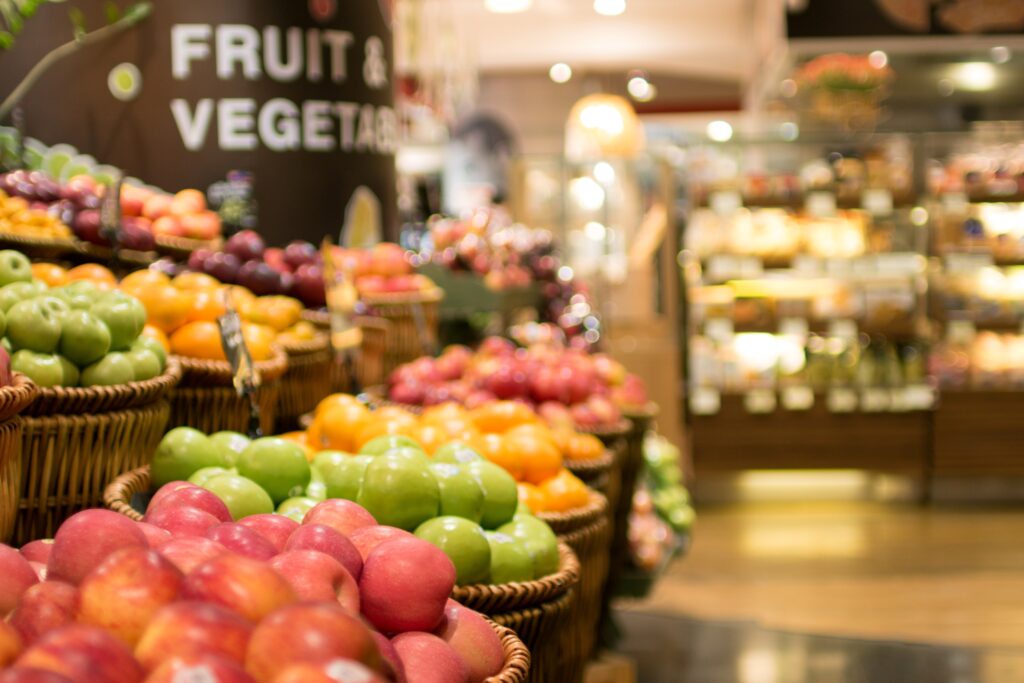
Fruit sold for processing often competes with the fresh market, where strong demand and pricing can reduce the amount of raw material available for juice, puree, and concentrate production.
Fruit intended for processing often competes with the fresh market.
When fresh fruit pricing is strong, growers may have less incentive to sell fruit to juice, puree, or concentrate processors. Processors may then need to pay more to secure enough raw material for production.
The opposite can also happen. If a crop is plentiful but does not meet fresh-market standards for appearance or sizing, more fruit may become available for processing.
This relationship can change quickly and may vary by fruit, origin, and season.
Processing Yields
The amount of finished ingredient a processor can produce from the raw fruit also affects cost.
Fruit size, maturity, moisture, sugar content, and overall quality can influence processing yields. A processor may need more raw fruit to produce the same quantity of juice, puree, or concentrate during a lower-yielding season.
Brix is especially important when producing concentrates. Fruit with a lower natural sugar content may require additional processing and energy to reach the target concentration. Even when the crop volume looks sufficient, poor yields can reduce the amount of finished product available for sale.
Labor, Energy, and Packaging Costs
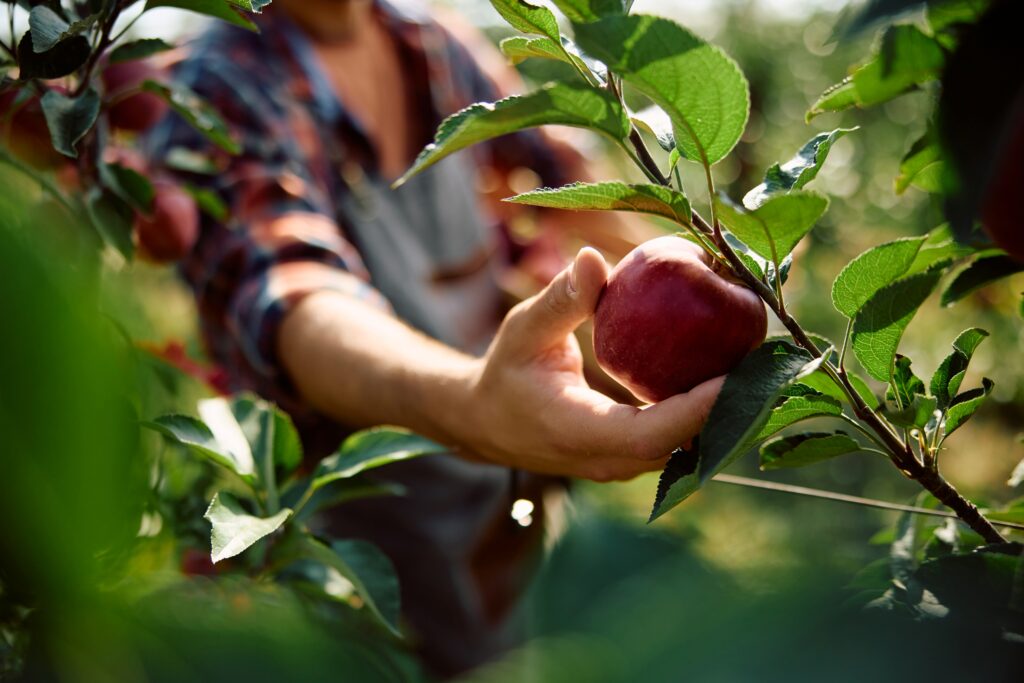
The cost of a fruit ingredient begins at harvest. Agricultural labor, transportation, processing, energy, packaging, storage, and testing all contribute to the finished price.
The cost of converting fruit into a commercial ingredient extends well beyond the fruit itself.
Processors must account for:
- Harvesting and agricultural labor
- Transportation from the growing region to the plant
- Washing, sorting, and processing
- Energy used for concentrating, pasteurizing, freezing, or aseptic packing
- Drums, pails, totes, liners, and other packaging
- Cold storage
- Quality testing and food safety requirements
Changes in any of these costs can affect finished pricing, even during a relatively normal crop season.
Supply and Demand
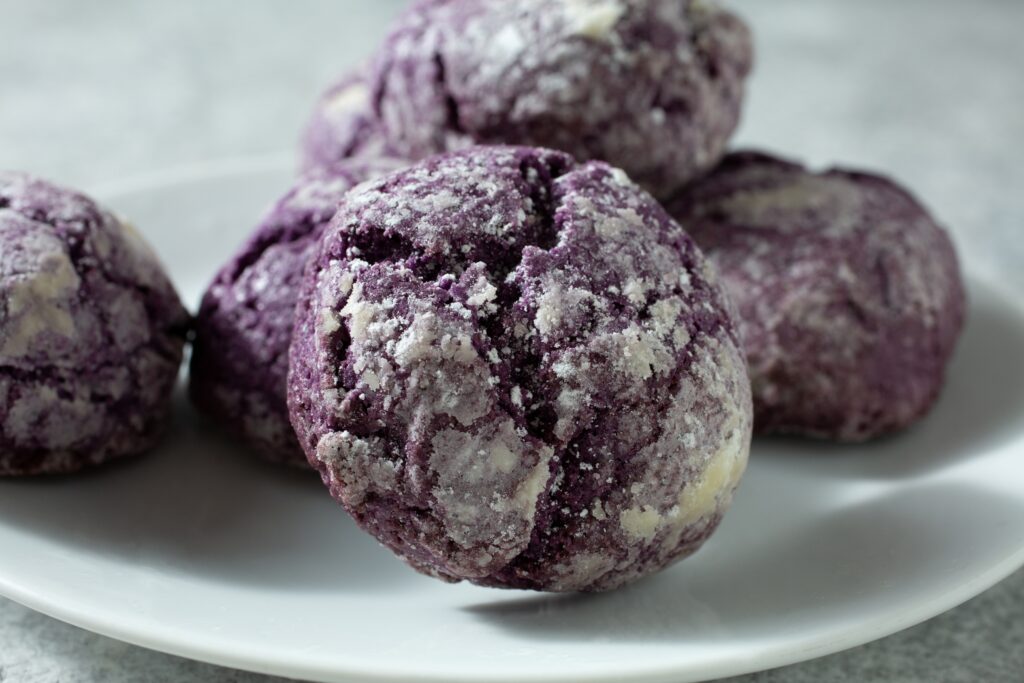
Ube is hot right now! Its growing popularity across bakery, beverage, dessert, and snack applications is driving demand, tightening supplies, and placing upward pressure on ingredient costs.
Demand for a fruit ingredient can change faster than new supply can be produced.
A new beverage trend, successful product launch, or shift toward a particular flavor can quickly increase demand. However, many fruits are harvested and processed during a limited window each year. Once that season ends, processors generally cannot produce more until the next crop.
This means a product may be readily available immediately after production but become tighter as inventories are committed throughout the year.
Demand from other markets also matters. Fruit ingredients are often traded globally, so U.S. buyers may be competing with customers in Europe, Asia, and other regions for the same available supply.
Country of Origin
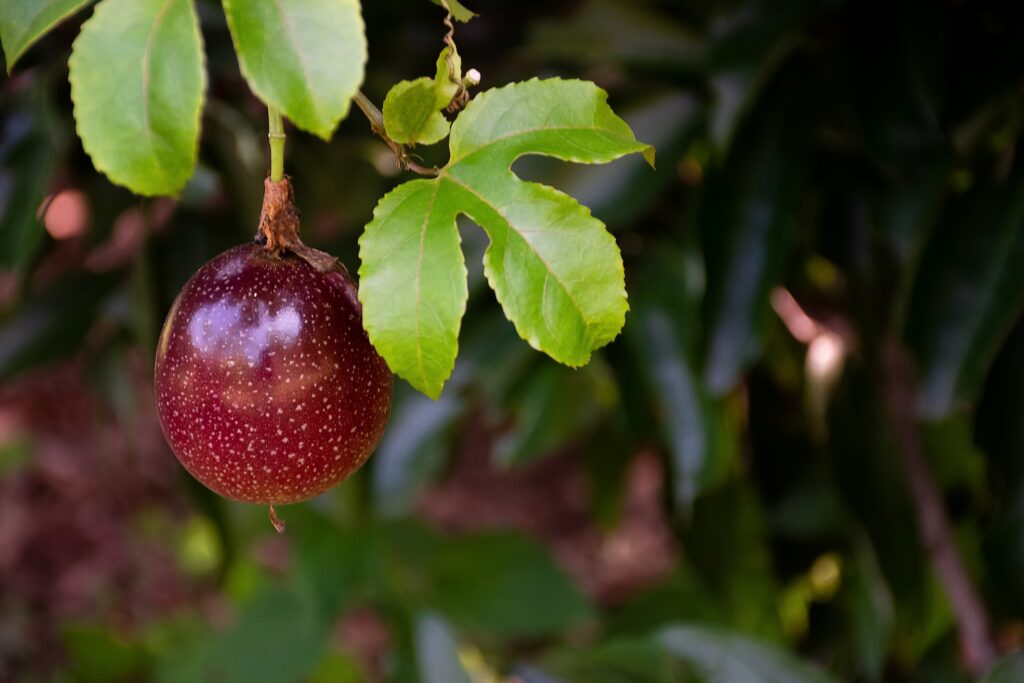
Purple passion fruit is commonly associated with Asian production, while yellow passion fruit is widely processed in South America. Each origin and variety can offer different flavor, color, acidity, and supply characteristics.
The same fruit may be commercially produced in several countries, but each origin has its own growing season, cost structure, processing capabilities, and market conditions.
Changing origins may provide another sourcing option when supply is tight, but the products are not necessarily interchangeable. Origin can affect:
- Flavor and aroma
- Color
- Brix and acidity
- Variety
- Consistency
- Certifications
- Packaging
- Transit time
- Customer labeling requirements
A lower-priced origin may not always deliver the same performance in the finished application. Samples and specifications should always be evaluated before making a change!
Freight and Import Costs

Freight can represent a significant portion of the delivered cost of fruit ingredients, especially for frozen products requiring temperature-controlled transportation.
Transportation can represent a significant portion of the delivered cost, particularly for frozen products that require temperature-controlled storage and shipping.
Ocean freight, trucking, fuel, port congestion, equipment availability, and cold storage rates can all change from one year to the next. Imported ingredients may also be affected by tariffs, duties, inspections, or changes in trade policy.
Two suppliers may quote similar product pricing while offering very different delivered costs depending on the shipping point and freight requirements.
Inventory Position and Timing
The timing of an inquiry can make a major difference.
Pricing is often most favorable when supply is plentiful and processors are actively planning production or allocating new-crop inventory. Later in the season, remaining material may be limited or held by suppliers that purchased at higher costs.
Waiting until inventory is nearly depleted can reduce the number of available options. In some cases, a buyer may need to accept a different origin, pack size, specification, or shipping schedule to maintain supply.
This is why forecasts are so valuable. Even an approximate annual volume and expected purchasing schedule can help suppliers identify options and plan inventory more effectively.
Product Specifications and Certifications
Not every drum of a particular fruit ingredient carries the same cost.
Pricing may vary based on:
- Conventional or organic status
- Country of origin
- Brix range
- Acidity
- Color requirements
- Seed or pulp content
- Aseptic or frozen packaging
- Kosher, halal, or other certifications
- Identity-preserved or customer-specific requirements
When availability becomes tight, products with more restrictive specifications are often affected first because there are fewer acceptable supply options.
How Manufacturers Can Prepare

Early planning gives manufacturers more time to evaluate supply, approve alternatives, coordinate storage, and prepare for changing fruit ingredient prices and availability.
Fruit markets will always carry some level of uncertainty, but early planning can make seasonal changes easier to manage.
Manufacturers can prepare by:
- Sharing realistic annual forecasts
- Discussing upcoming needs before the crop begins
- Allowing time to evaluate alternate origins or specifications
- Comparing delivered cost instead of product price alone
- Confirming shelf life and storage capacity
- Approving backup options when appropriate
- Communicating changes in demand as early as possible
It is also helpful to review pricing within the context of the current crop. A lower price from the previous season may have reflected a larger harvest, better processing yields, lower freight costs, or a more favorable inventory position that is no longer available.
Planning for the Next Fruit Season
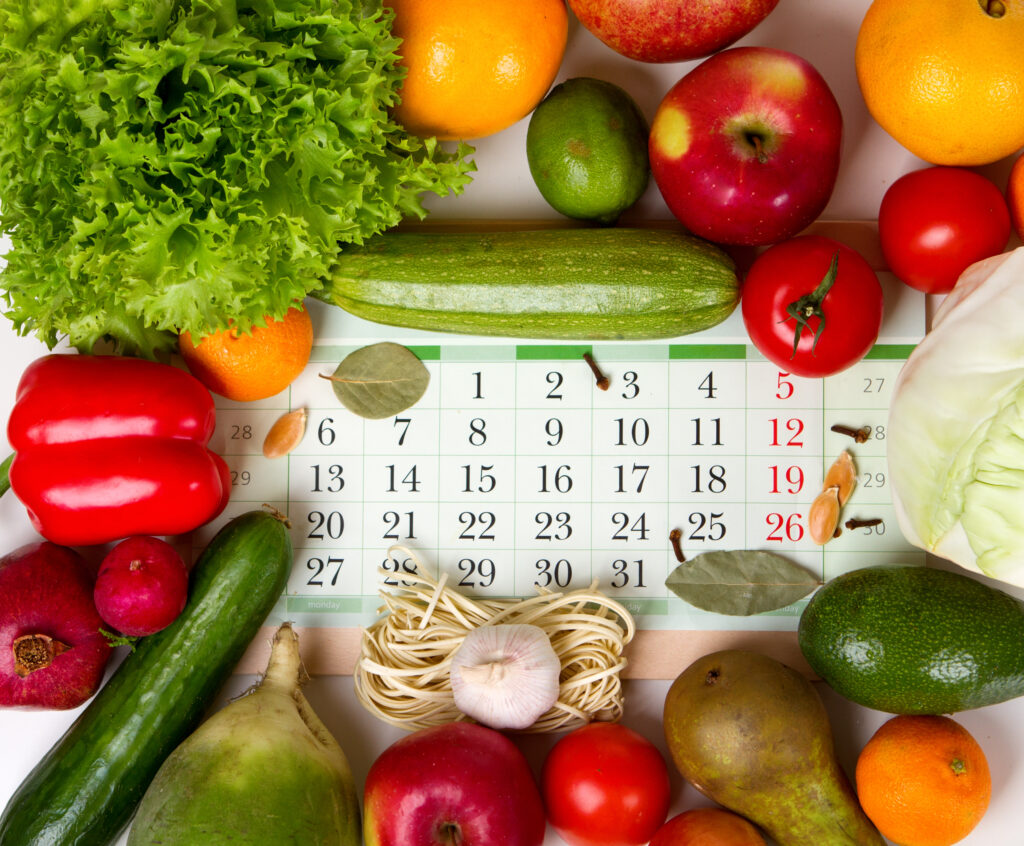
Fruit follows its own calendar. Discussing future requirements early creates more opportunities to evaluate origins, reserve inventory, coordinate samples, and identify alternatives before supplies become limited.
Understanding why fruit ingredient prices change can help manufacturers plan ahead and make better sourcing decisions.
Price changes do not necessarily mean that a supplier or processor has changed its pricing strategy. In many cases, the underlying fruit market has changed.
The earlier manufacturers begin discussing future requirements, the more opportunity there is to evaluate origins, reserve inventory, coordinate samples, and identify alternatives before supply becomes limited.
Encore Fruit works with food and beverage manufacturers to source fruit juices, purees, concentrates, and IQF products from processors around the world. If you are planning an upcoming project or reviewing your ingredient needs for the next crop season, contact our team to discuss available options. We are always happy to help!