

Sourcing an imported fruit ingredient can involve considerably more planning than purchasing a product that is already sitting in a domestic warehouse.
Even when fruit is available at origin, the finished ingredient may still need to be produced, tested, released, transported to port, shipped internationally, cleared through customs, and delivered within the United States. Each step takes time, and an unexpected delay at any point can affect the final delivery date.
For many imported fruit ingredients, a lead time of approximately 12 to 16 weeks is not unusual. Certain products may be available sooner, particularly when inventory is already positioned domestically. Others may require more time depending on the harvest season, production schedule, testing requirements, country of origin, and current shipping conditions.
Understanding imported fruit ingredient lead times can help food and beverage manufacturers make better purchasing decisions, maintain appropriate inventory, and reduce the risk of a supply interruption.
1. Start With the Crop Calendar
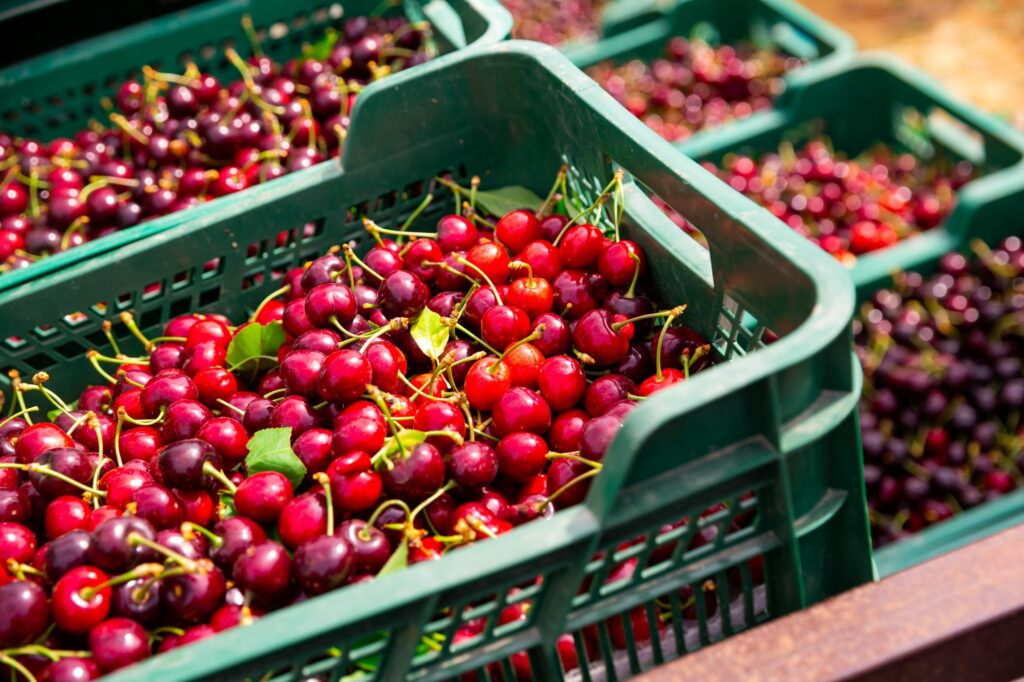
Fruit ingredient availability begins with the crop, and harvest timing, yield, and quality can change from season to season.
Fruit ingredients begin with agricultural raw materials, and agriculture does not operate on demand.
Many fruits are harvested during a relatively limited window each year. Processors must secure the raw material, evaluate its quality, and schedule production while the fruit is available. If a crop is smaller than expected or demand is unusually strong, available supply may be committed quickly.
Seasonality is particularly important for specialty and tropical fruits. Depending on the ingredient, production may take place in Mexico, South America, Europe, Southeast Asia, or another growing region. Each origin has its own crop schedule, weather patterns, and processing capacity.
A fruit can also have more than one growing region or harvest period. This may create additional sourcing options, but products from different origins are not always interchangeable. Variety, color, flavor, acidity, Brix, processing method, and customer specifications all need to be considered before moving from one source to another.
Discussing anticipated needs before the crop begins gives suppliers more time to evaluate availability and reserve the appropriate raw material.
If you need help with crop timing, check out our handy Seasonal Chart!
2. Remember That Raw Fruit Is Not Finished Product
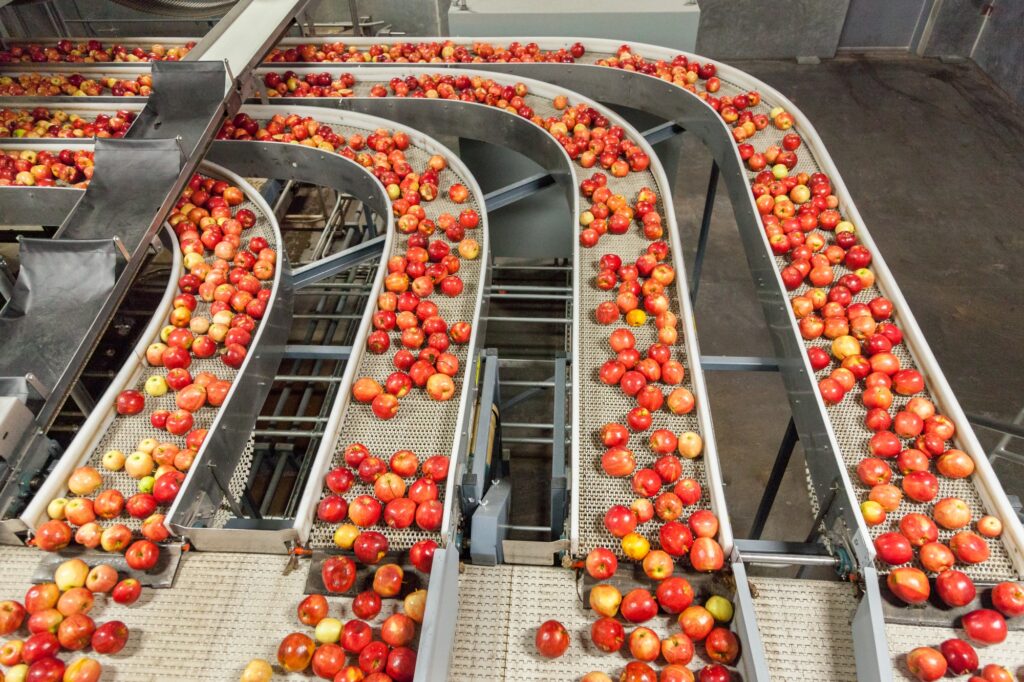
Raw fruit must still be sorted, processed, tested, and packed before the finished ingredient is ready for shipment.
When a supplier says fruit is available, that does not necessarily mean finished puree, juice, concentrate, or IQF product is ready to ship.
The processor may still need to wash, sort, prepare, and process the fruit. The finished ingredient must then be packed into the required format and container.
Commercial packaging can include pails, bag-in-box cases, aseptic drums, frozen drums, totes, or other industrial formats. The appropriate option depends on the product, processing method, customer usage, and available handling equipment.
Pack size can also affect availability. A processor may have product available in drums but not totes, for example. Repacking may not be possible, practical, or advisable, particularly when aseptic integrity or frozen handling is involved.
Before placing an order, buyers should confirm not only the product specification but also the required packaging, storage conditions, and quantity.
3. Allow Time for Production Scheduling
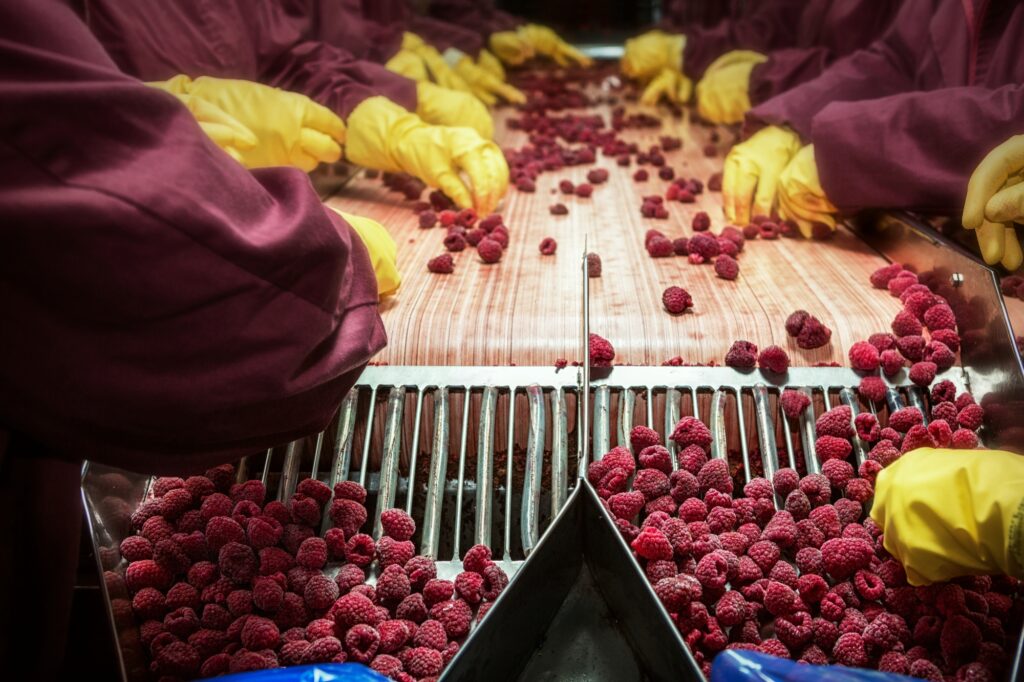
Fruit processors must coordinate seasonal raw material, labor, equipment, and existing customer commitments when scheduling production.
Fruit processors typically manage production across multiple products and customers. Even when raw material is available, the production line may already be committed to other runs.
Scheduling can be especially tight during peak harvest periods. Processors may be receiving and handling large volumes of fruit within a relatively short window, while also working to fulfill previously contracted demand.
Small or unplanned orders are not always easy to insert into an existing schedule. Certain products may also require dedicated preparation, cleaning, or changeover time.
Providing a forecast does not always represent a firm purchase commitment, but it gives the processor and supplier an early indication of potential demand. This can help with raw material planning, production scheduling, packaging requirements, and inventory allocation.
The more specialized the product or specification, the more valuable that advance notice becomes.
4. Build Testing and Product Release Into the Timeline
Finished product is not necessarily ready to ship as soon as it comes off the production line.
Depending on the ingredient, origin, and customer requirements, the product may need to undergo microbiological, chemical, pesticide, heavy metal, authenticity, or other laboratory testing. A certificate of analysis and supporting documentation may also need to be prepared and reviewed before the lot can be released.
Some testing can be completed quickly. Other analyses may require an outside laboratory and additional processing time.
Customer-specific requirements can extend this process further. If a buyer requires testing beyond the processor’s standard program, those expectations should be communicated before production whenever possible. Waiting until the product is complete to request additional analysis can delay release or create an unexpected expense.
Technical review is an important part of the sourcing process. Confirming specifications and documentation requirements early helps prevent surprises once the product is ready to move.
5. Look Beyond the Ocean Transit Time

Ocean transit is only one part of an import timeline that also includes export preparation, port handling, customs clearance, and domestic delivery.
Ocean transit is only one portion of imported fruit ingredient lead times.
Before the product leaves its country of origin, the shipment must be prepared, booked, transported to port, and loaded onto a vessel. Export documentation must be completed, and the sailing schedule must align with the product’s storage and handling requirements.
After the vessel reaches the United States, the shipment must be unloaded and cleared through customs. It may also be subject to regulatory review or examination. Once released, the product still needs to move from the port to a warehouse or customer facility.
Vessel changes, port congestion, customs exams, weather, equipment availability, and domestic freight capacity can all affect timing. Estimated arrival dates are useful planning tools, but they should not be treated as guaranteed delivery appointments.
Buyers should leave some flexibility between the projected arrival of an imported ingredient and the production date for which it is needed.
6. Consider Inventory Position and Order Size
An ingredient may be available globally without being available immediately in the quantity or packaging a customer needs.
Domestic inventory can shorten the timeline considerably, but it is often limited and may already be allocated to existing customer programs. A few drums may be available for a trial while a full truckload requires new production. Conversely, a full container may be economical to import, while a small quantity may need to wait for a consolidated shipment.
Order size matters because industrial fruit ingredients are generally produced and transported in commercial quantities. Suppliers may be able to consolidate smaller orders, but that option depends on the product, origin, packaging, and available inventory.
When requesting a quote, it helps to provide the expected annual volume, individual order quantity, preferred packaging, delivery location, and timing. This allows the supplier to evaluate realistic options instead of simply quoting a product that may not fit the customer’s program.
7. Maintain a Practical Supply Plan
The best way to manage imported fruit ingredient lead times is to plan beyond the next purchase order.
If an ingredient is critical to production, buyers may want to consider maintaining safety stock or establishing a regular ordering schedule. The appropriate inventory level will depend on usage, shelf life, storage capacity, seasonality, and the difficulty of replacing the ingredient.
Forecasts should also be reviewed as customer demand changes. A program that begins with occasional drum orders may eventually require scheduled truckloads or containers. Communicating that growth early gives the supply chain time to adjust.
It is also useful to identify which product characteristics are essential and where some flexibility may exist. Packaging, origin, variety, Brix, color, and other specifications can influence the number of sourcing options available. Any alternative should be evaluated and approved before it is needed, rather than during an urgent shortage.
Planning Ahead Creates More Options

Forecasting and early communication can help suppliers plan production, position inventory, and reduce the risk of supply interruptions.
Imported fruit ingredients move through a long and sometimes complicated supply chain. Crop timing, production scheduling, laboratory testing, documentation, international freight, customs clearance, and domestic transportation all contribute to the final timeline.
Not every delay can be predicted or prevented. However, early communication gives buyers and suppliers more time to address potential problems, evaluate alternatives, and make informed decisions.
At Encore Fruit, we work with food and beverage manufacturers to source fruit purees, juices, concentrates, IQF products, and other fruit ingredients from processors around the world. We help coordinate product specifications, commercial packaging, production timing, documentation, import logistics, and domestic delivery.
If you are planning an upcoming product launch, reviewing an existing supply program, or trying to source a difficult fruit ingredient, contact our team to discuss your requirements. Even if the need is several months away, starting the conversation early can make the process considerably easier!