

When manufacturers compare fruit ingredient quotes, price per pound is usually the first number they review. It is important, but it rarely tells the full story.
Two products with similar descriptions can vary in concentration, yield, packaging, freight, storage requirements, technical specifications, and availability. A product with a lower price per pound might actually end up costing more to use in the finished application.
Before choosing an ingredient or supplier, consider these eight factors to make sure you are comparing the complete offer.
Confirm the product format and concentration

Products with similar descriptions may differ in format, Brix, color, and concentration.
Start by making sure each supplier is quoting the same type of fruit ingredient.
Fruit products may be offered as single-strength juice, NFC juice, juice concentrate, puree, puree concentrate, or another processed format. Products may also be packed frozen, refrigerated, aseptic, canned, or dried.
Brix should also be reviewed when comparing juices and concentrates. A higher Brix concentrate may cost more per pound but deliver more fruit solids. A lower Brix alternative may require a higher usage rate to reach the same finished-product target.
Always review the product specification rather than relying only on the abbreviated description shown on the quote.
Calculate the cost in the finished application
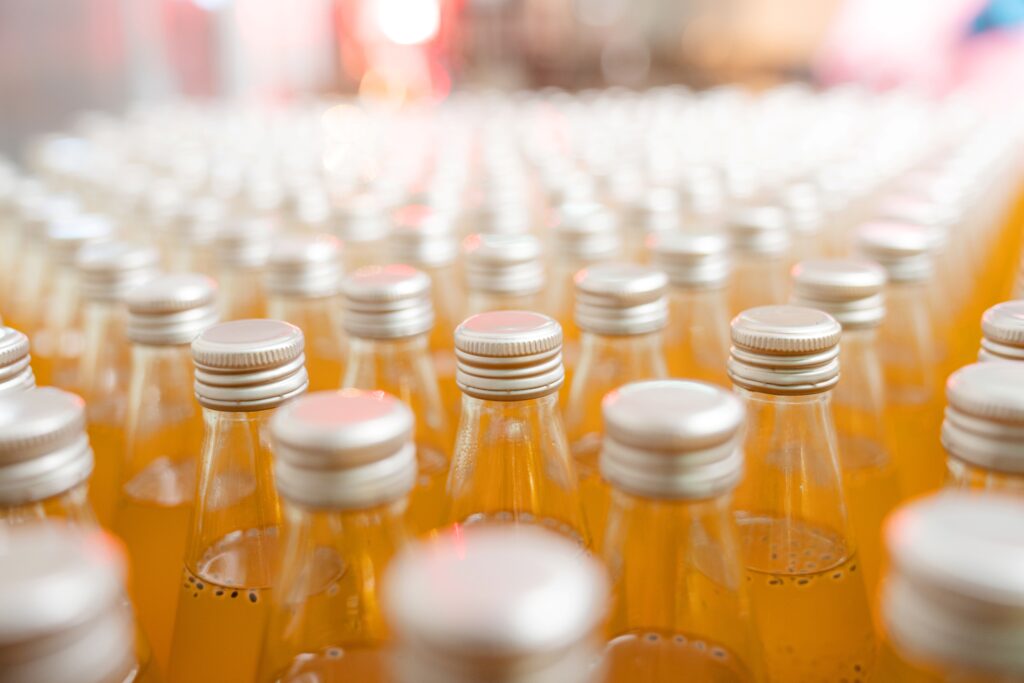
Usage rate and finished-product yield can provide a more useful cost comparison than price per pound alone.
One of the best ways to compare fruit ingredient quotes is to calculate what each option will cost in the finished product.
Consider how much ingredient is required per batch, whether it will be diluted or reconstituted, and how many finished gallons or units it will produce. Differences in flavor, color, sweetness, acidity, and texture may also affect the usage rate.
An ingredient with a higher price per pound might be the more economical choice if less is needed to achieve the desired result. Sampling and application trials can help determine whether two products will perform at the same usage level.
Review the pack size and minimum order quantity
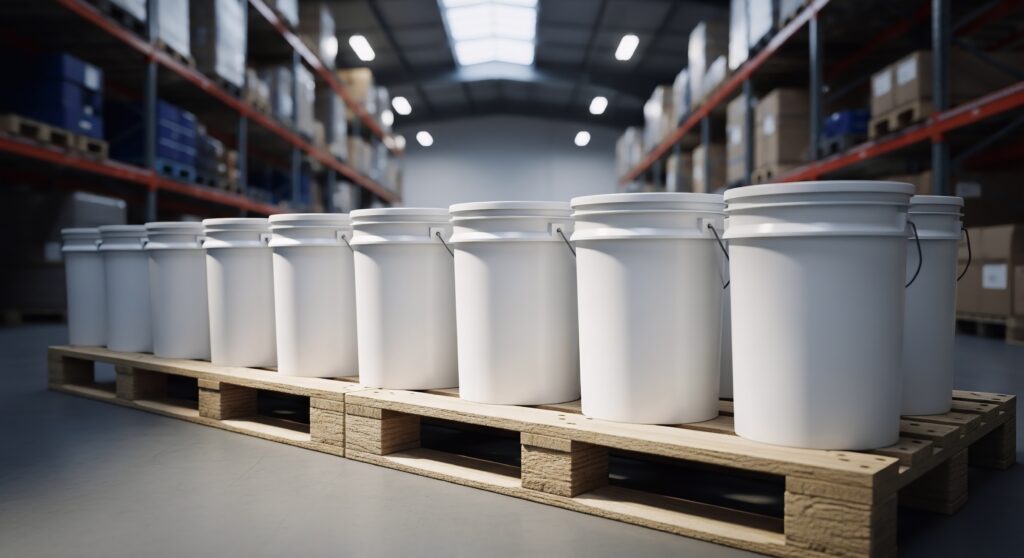
Commercial pack sizes and minimum-order quantities can affect handling, storage, waste, and the total purchasing commitment.
Confirm the net weight of each container, the number of containers included, and the minimum quantity required.
Fruit ingredients may be packed in pails, bag-in-boxes, drums, totes, or cases. Pack size can affect batch planning, labor, product loss, partial-container usage, packaging disposal, and warehouse space.
Minimum orders can also vary substantially. One quote may be based on a single drum, while another requires a pallet, production run, or full truckload.
A lower unit price may not provide much value if the manufacturer must purchase more inventory than it can reasonably use within the product’s shelf life.
Compare the delivered or landed cost
Shipping terms can significantly change the final cost of a fruit ingredient.
A quote may be delivered, FOB, or Ex Works (EXW). Before comparing prices, confirm where the product ships from, whether freight is included, and who is responsible for arranging transportation.
Frozen and refrigerated products may require temperature-controlled service, which is typically more expensive than dry freight. Less-than-truckload (LTL) shipments can also carry higher freight costs per pound than full truckload (FTL) shipments.
For imported products, the landed cost may include ocean freight, inland transportation, duties, tariffs, and other import-related expenses. Make sure those costs are either included in the quote or added to the comparison separately.
Consider storage, handling, and delayed-shipment costs

Storage requirements and delayed shipment can add costs beyond the quoted price per pound.
Ambient, refrigerated, and frozen ingredients create different costs and operational requirements after delivery.
Before selecting a product, confirm that the facility can receive, store, thaw, and handle it properly. Consider available freezer or cooler space, thawing time, production scheduling, and how quickly an opened container must be used.
Buyers should also confirm whether the quoted price is based on prompt shipment. When the product is available but the customer is not ready to receive it, storage charges may begin to accrue after a specified period. These charges may be assessed by the pallet, container, pound, or month, depending on the supplier and storage conditions.
For example, a product may appear to offer the lowest price per pound when quoted for prompt shipment. If delivery is postponed for several months, however, the accumulated storage charges can change the effective cost of the ingredient. Frozen and refrigerated storage may have an especially noticeable impact.
When comparing quotes, ask when shipment is expected, how much free storage time is included, when additional charges begin, and how those charges are calculated. If the product will be released gradually, confirm whether storage applies to the remaining inventory.
A frozen ingredient may offer the right technical performance but require additional storage and labor. An aseptic alternative may have a higher purchase price while reducing those operational demands.
The best option should fit both the formulation and the manufacturer’s production schedule. Any anticipated storage charges should be included when calculating the true delivered cost.
Review the specification and certifications

Specifications, testing requirements, and certifications should be reviewed before comparing fruit ingredient options.
Products with similar names are not necessarily equivalent.
A buyer should compare the specifications for details such as:
- Brix, pH, and acidity
- Color, flavor, and texture
- Microbiological limits
- Processing method
- Ingredient statement and additives
- Allergen status
- Country of origin
- Kosher, organic, non-GMO, or other certifications
- Testing and documentation requirements
Tighter specifications, specialized certifications, or additional testing may increase the price. However, those requirements may be necessary for the finished product, customer approval, or internal quality program.
A less expensive ingredient is not the better value if it cannot meet the required specification!
Confirm availability and lead time
A quote based on current domestic inventory is different from one tied to the next production run, harvest, or import.
When manufacturers compare fruit ingredient quotes, they should confirm whether the product is in stock, scheduled for production, or expected to arrive in the future. Imported ingredients may require additional time for processing, testing, ocean transit, customs clearance, and domestic delivery.
Availability can also change quickly due to crop conditions, demand, logistics, or production schedules. A slightly higher-priced product that is available when needed may be more valuable than a lower-priced option that puts production at risk.
For more information, read 7 Smart Ways to Plan for Imported Fruit Ingredient Lead Times.
Check the shelf life and quote validity

Remaining shelf life should be reviewed alongside availability, lead time, and quote validity.
Review both the product’s remaining shelf life and the length of time the quoted price is valid.
A discounted product may have a shorter usable life. A future production may offer more shelf life but require a longer lead time. The right choice will ultimately depend on the manufacturer’s forecast, production schedule, storage capacity, and expected rate of use.
Quote validity matters too. Fruit ingredient pricing can change with crop availability, freight, tariffs, exchange rates, and other market conditions. If the purchasing decision will take time, the buyer should confirm how long the quoted pricing and availability will remain valid.
How to compare fruit ingredient quotes effectively

Reviewing the complete offer helps manufacturers make a true apples-to-apples comparison.
Don’t get us wrong. Price per pound remains an important part of the purchasing decision, but buyers should always take the context of the offer into consideration.
The strongest comparison considers the product format, concentration, usage rate, pack size, freight, storage costs, shipment terms, specifications, availability, and shelf life. Looking at the complete offer helps manufacturers understand the true cost of using the ingredient, not only the cost of buying it.
Providing complete application, technical, and delivery information also helps suppliers identify the right product and prepare a more accurate quote. Review 10 Helpful Details to Include in a Fruit Ingredient Request and 10 Essential Details on a Fruit Ingredient Specification Sheet for additional guidance.
Encore Fruit works with a global network of fruit and vegetable processors. We help food and beverage manufacturers compare fruit ingredient quotes, understand the technical and commercial differences, and identify the right option for their application and supply needs.
Comparing fruit or vegetable ingredient options? Contact Encore Fruit to discuss your application, specifications, volume, and delivery requirements!